A Comprehensive Guide to the Production and Handling of Rubber Keypads for Optimum Efficiency
The manufacturing and handling of rubber keypads play a vital role in their performance and functionality. Product option, style accuracy, and sophisticated manufacturing methods substantially influence their longevity and performance. Understanding these aspects is essential for developing high-grade products. As numerous innovations emerge in this field, exploring their ramifications could reveal brand-new criteria for functionality and customer experience. What crucial elements will form the future of rubber keypads?
Comprehending Rubber Keypads: Products and Kinds
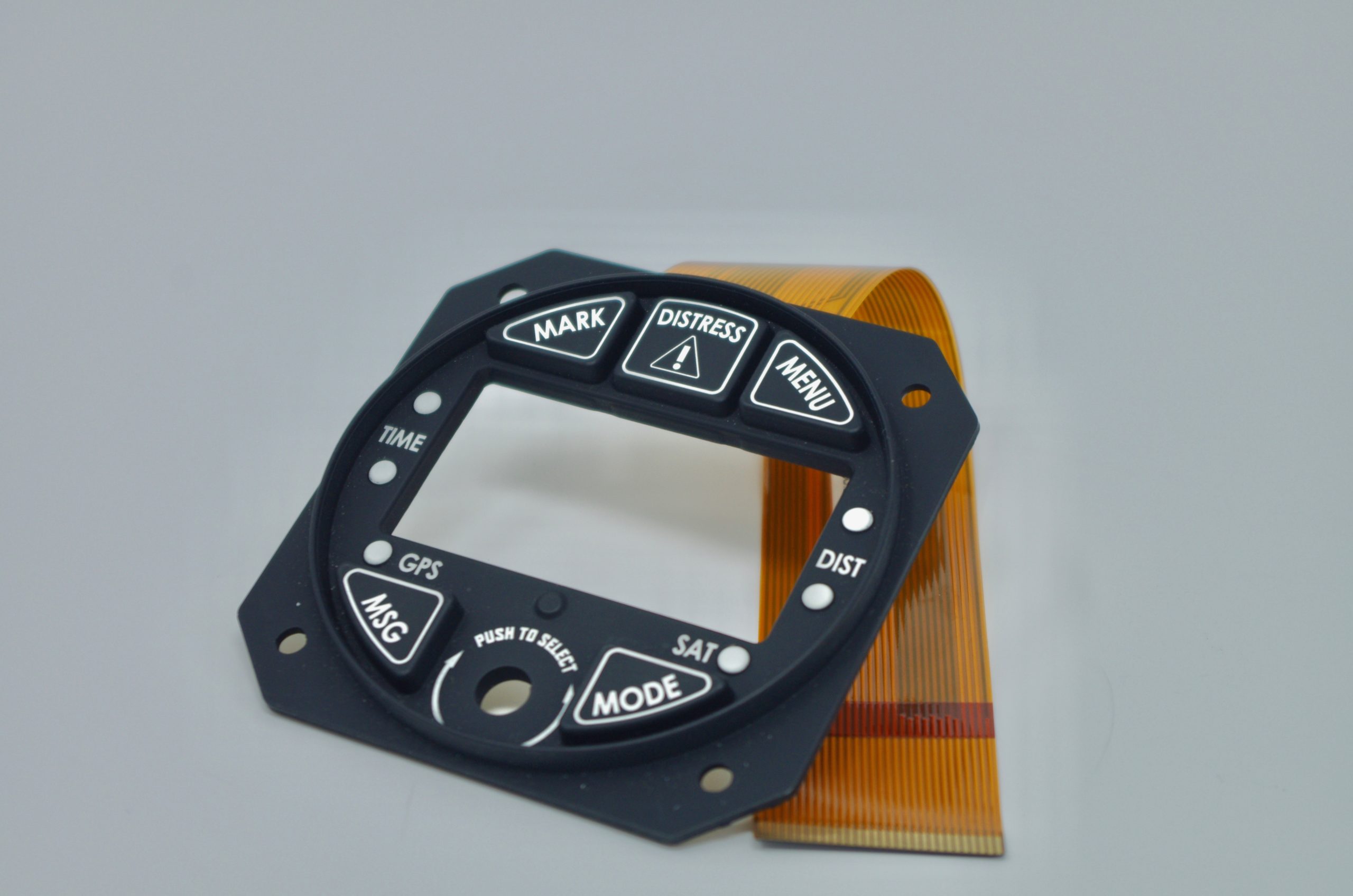
Rubber keypads are vital components in plenty of devices, providing an equilibrium of durability and responsive comments. These keypads are largely made from silicone or synthetic rubber, products chosen for their adaptability and resilience. Silicone rubber, in particular, is preferred for its excellent temperature level resistance and long life, making it perfect for numerous applications, from customer electronics to commercial machinery.
There are numerous kinds of rubber keypads, consisting of dome switch keypads, which use a dome-shaped mechanism that supplies tactile feedback when pushed. Furthermore, there are additionally flat keypads, which feature a smooth surface and are often made use of in clinical gadgets and remote controls. The option of material and kind affects the keypad's efficiency, feel, and general user experience. Understanding these aspects is essential for designers and manufacturers intending to produce efficient and dependable user interfaces in their items.
The Manufacturing Refine: From Style to Production
The production procedure of rubber keypads includes a number of essential phases, beginning with design and ending with manufacturing. Designers develop comprehensive specifications and models, ensuring the keypad satisfies useful and visual needs. Computer-aided design (CAD) software application is usually used to imagine the layout and functions before continuing.
Once the layout is settled, material choice is crucial, with choices normally consisting of silicone or natural rubber. In the next phase, mold and mildews are produced based upon the authorized layouts, which will form the keypads during manufacturing.
Adhering to mold development, the production stage begins, where rubber is blended with additives to boost efficiency. The combination is after that put into molds and subjected to warm and pressure, enabling it to solidify and cure.
The ended up keypads undergo top quality checks to validate they satisfy established standards, complied with by packaging for circulation. This all-encompassing process guarantees peak performance in the final item.
Key Methods in Rubber Molding
In the domain of rubber keypads, numerous molding methods play a pivotal function in identifying the quality and capability of the last product. One common technique is compression molding, where raw rubber is put in a heated mold and pressure is used, enabling effective mass production and harmony. Another significant strategy is shot molding, which includes infusing warmed rubber right into a mold and mildew, providing greater accuracy and facility forms. Transfer molding, a hybrid of both approaches, is likewise used, especially for intricate layouts, as it incorporates the benefits of both processes. In addition, liquid silicone rubber (LSR) molding is acquiring grip as a result of its adaptability and sturdiness, making it perfect for high-performance applications. Each technique possesses special qualities, influencing aspects such as cycle time, product waste, and manufacturing costs. Choosing the suitable molding method is important for accomplishing peak performance in rubber keypads.
Surface Finishing and Texturing Options
Surface ending up and texturing alternatives play a necessary role in enhancing the tactile experience and aesthetic charm of rubber keypads. Makers use numerous methods to create distinct surface area features that impact individual communication and item design. Common finishing approaches consist of matte, shiny, and satin finishes, each providing various aesthetic impacts and grip degrees. Texturing alternatives, such as elevated patterns, grooves, or stippling, further improve performance by improving grip and reducing slippage during use.
In addition, particular appearances can be customized to satisfy ergonomic requirements, providing comfort during prolonged usage. The option of surface area coatings and structures can be affected by the desired application of the keypad, whether it be for consumer electronics, auto controls, or industrial gadgets. Eventually, careful factor to consider of these options adds significantly to individual fulfillment and general item efficiency, making them essential aspects in the design and production procedure of rubber keypads.
Quality Control Actions in Rubber Keypad Production
Quality control steps in rubber keypad manufacturing are important for making certain item dependability and performance. These procedures incorporate material choice standards, rigorous testing procedures, and rigid last evaluation standards. Together, they create a complete framework that aids producers copyright top quality throughout the production process.
Material Choice Criteria
Picking the ideal materials for rubber keypads is vital, as it straight affects their resilience, performance, and individual experience. Secret criteria for product choice consist of tensile stamina, resilience, and environmental resistance. The choice of rubber compound, such as silicone or polycarbonate elastomer (TPE), plays a critical duty in attaining wanted responsive feedback and longevity. In addition, variables like chemical compatibility, temperature more security, and UV resistance should be considered to guarantee optimal efficiency in numerous applications. Makers need to also examine the convenience of processing and cost-effectiveness of products, balancing top quality with budget restraints. Eventually, the best product option not just improves the keypad's performance however additionally adds to overall item quality and consumer complete satisfaction.
Checking Procedures Applied
After identifying the suitable materials for rubber keypads, extensive testing procedures are carried out to confirm that the end products meet market standards and consumer assumptions. These treatments commonly consist of mechanical testing, which evaluates the longevity and elasticity of the rubber under different conditions. In addition, ecological testing assesses the keypads' efficiency under temperature variations, humidity, and direct exposure to chemicals. Electrical screening confirms the keypads function appropriately with electronic elements, validating responsiveness and conductivity. Responsive feedback is examined to guarantee user fulfillment. These extensive testing measures are necessary in recognizing any kind of flaws or variances prior to automation, inevitably boosting the dependability and performance of rubber keypads in their intended applications.

Last Evaluation Criteria
Comprehensive final examination criteria are crucial in rubber keypad production to assure that each unit fulfills the defined criteria for performance and look. This procedure usually entails aesthetic evaluations to determine any kind of surface issues, such as discoloration or flaws. In addition, tactile examinations ascertain that the keypads react precisely to touch, keeping the required degree of sensitivity. Toughness tests might likewise be conducted, imitating extended use to verify the longevity of the keypad under various conditions. Additionally, adherence to market laws and client requirements is confirmed to preserve quality control. By applying these extensive inspection procedures, suppliers can substantially minimize the risk of problems, making sure that the end product is reliable and meets consumer assumptions, inevitably boosting client satisfaction.
Technologies in Rubber Keypad Technology
As technology remains to advance, innovations in rubber keypad modern technology are improving customer interfaces across different sectors. One substantial innovation is the assimilation of capacitive touch sensors within rubber keypads, enabling an extra flexible and responsive user experience. This modern technology enables customers to engage with devices via touch, boosting capability without sacrificing the responsive responses that rubber keypads are known for.
In addition, improvements in material formulas have actually led to the growth of even more resilient, weather-resistant rubber, making keypads appropriate for outside and commercial use. Enhanced printing methods additionally enable high-resolution graphics and backlighting options, enhancing visibility and visual appeal.
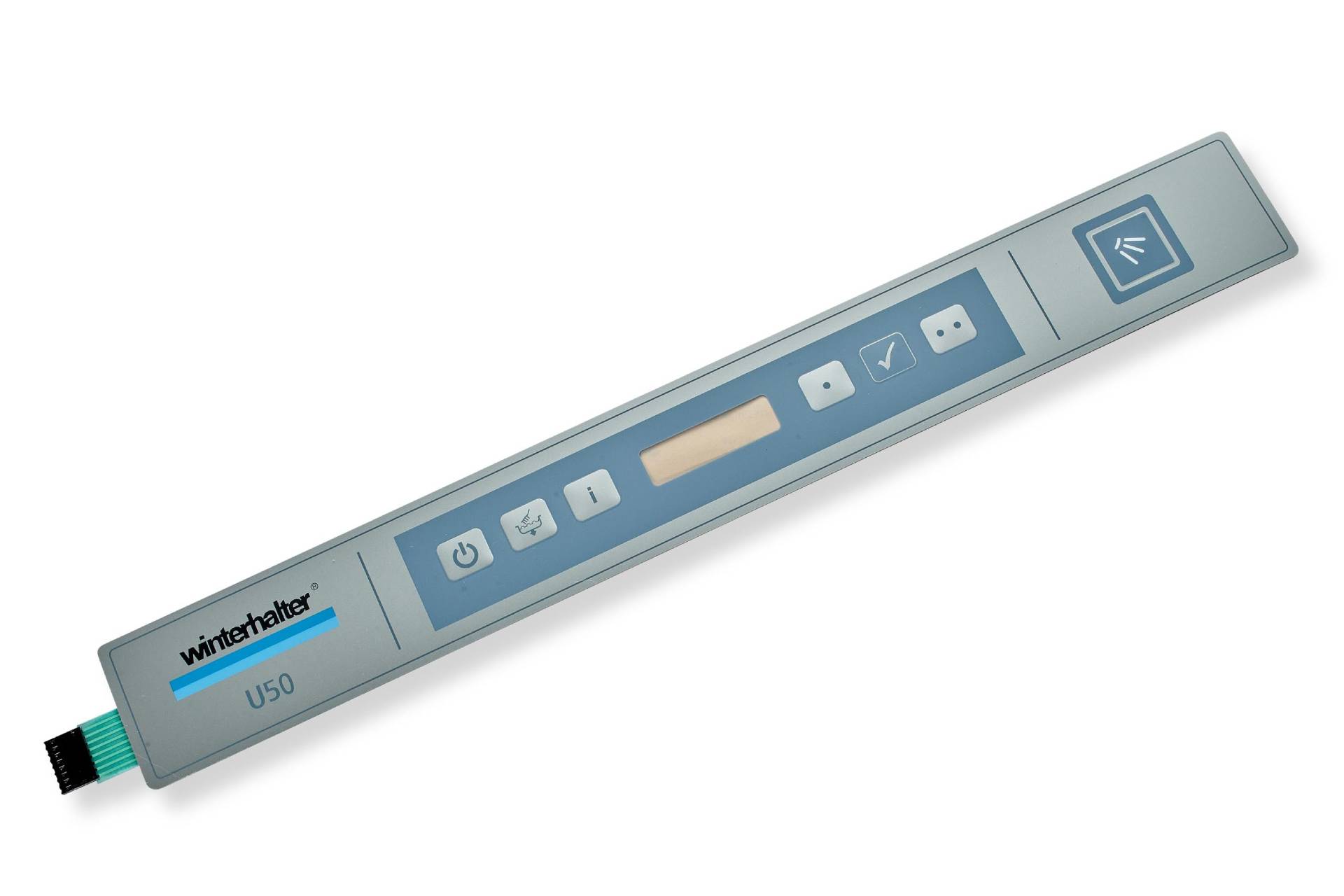
Furthermore, improvements in manufacturing processes, such as 3D printing, are making it possible for personalized styles and fast prototyping, streamlining production timelines. These innovations jointly add to more user-friendly and effective rubber keypads, ensuring they satisfy the demands of modern-day applications while keeping their core advantages.
Ideal Practices for Design and Performance
Designing effective rubber keypads needs cautious assessment of both aesthetics and functionality. Rubber Keypads. A well-designed keypad Our site must balance ergonomic concepts with visual attract enhance individual experience. Key factors consist of dimension, shape, and spacing of switches, ensuring they are easy to press while preventing unintended activation. Utilizing contrasting shades and textures can boost presence and responsive feedback, aiding customers in comparing secrets
In addition, the option of materials plays a vital function; premium rubber substances can enhance sturdiness and resistance to use. It is also essential to think about the combination of features such as backlighting and personalized graphics, which can improve functionality in various settings.
Lastly, prototyping and user testing are very useful in the layout procedure, enabling adjustments based on real-world responses. By adhering to these ideal techniques, makers can create rubber keypads that not only look attractive yet also fulfill the practical my link needs of users efficiently.
Frequently Asked Questions
How Do I Select the Right Rubber Product for My Keypad?
To select the best rubber material for a keypad, one should consider variables such as longevity, ecological resistance, tactile feedback, and compatibility with the intended application, making sure optimal efficiency and user contentment in various problems.
What Are the Environmental Influences of Rubber Keypad Manufacturing?
Rubber keypad manufacturing can lead to environmental influences such as logging for all-natural rubber sources, air pollution from chemical processes, and waste generation. Sustainable practices and products can minimize some of these adverse results on ecosystems.
Can Rubber Keypads Be Recycled or Recycled?
Rubber keypads can be reused, however the process depends on the specific materials utilized in their production. Recycling them in different applications is likewise possible, adding to throw away reduction and advertising sustainability in making techniques.
What Is the Ordinary Life Expectancy of a Rubber Keypad?
The typical lifespan of a rubber keypad typically ranges from 5 to ten years, depending upon use, environmental elements, and maintenance. Routine treatment can prolong its performance, while too much wear may shorten its longevity.
Are There Any Kind Of Wellness Concerns Connected to Rubber Keypad Products?
There are potential health and wellness concerns related to rubber keypad materials, including sensitive reactions to specific chemicals and irritants utilized in manufacturing. Correct handling and understanding of product make-up can minimize these dangers for individuals.
There are numerous kinds of rubber keypads, including dome switch keypads, which make use of a dome-shaped system that offers responsive comments when pressed. Selecting the proper products for rubber keypads is essential, as it straight influences their toughness, individual, and functionality experience - Rubber Keypads. After figuring out the ideal materials for rubber keypads, strenuous testing treatments are applied to confirm that the last products meet market requirements and client expectations. Rubber keypad manufacturing can lead to ecological impacts such as deforestation for all-natural rubber sources, air pollution from chemical processes, and waste generation. Rubber keypads can be reused, but the procedure depends on the particular materials made use of in their manufacturing
Comments on “How to choose the best Rubber Keypads for harsh environments”